The WUF was established by the United Nations in 2001. The first World Urban Forum was held in 2002 in Nairobi. Today, the WUF is a non-legislative but highly respected global platform for technical and political dialogue convened by the United Nations Human Settlements Programme, namely UN-Habitat. Its main objective is to develop a global response to rapid urbanization, housing crises, climate risks, urban inequality, and sustainable development issues.
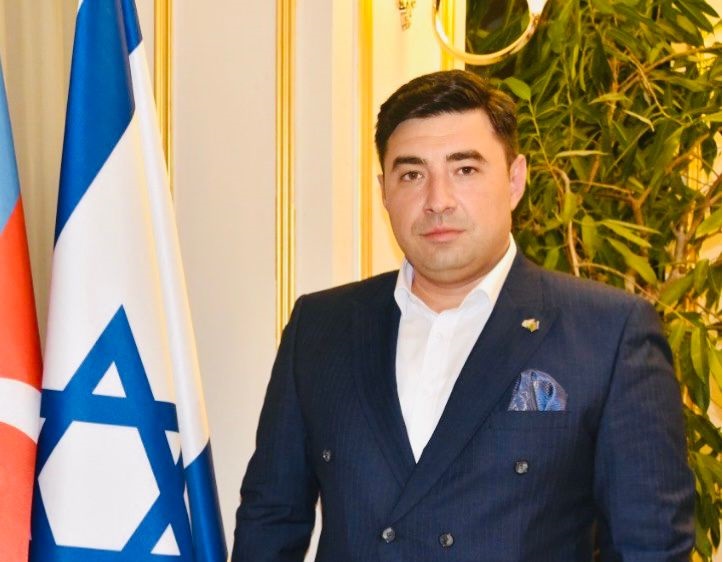
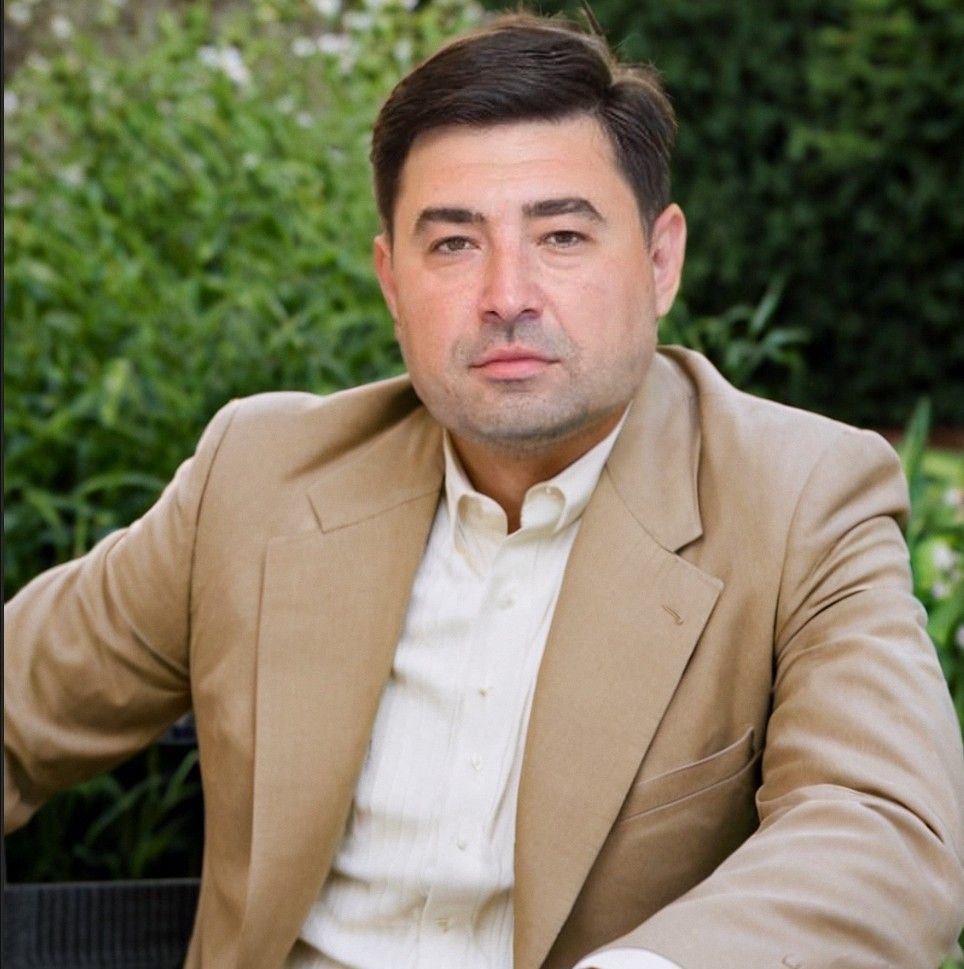
According to Newscenter.az, these remarks were made by David Seliverstov, head of the Caucasus representation of the Global Solidarity Council, international human rights advocate, and head of the Azerbaijani representation of the Caucasus Jewish Association.
According to him, from a human rights perspective, the importance of the WUF lies in the fact that urban planning is not only a matter of architecture and infrastructure, but also a matter of human rights:
“Because the city is the primary space where a person’s rights to life, security, a healthy environment, accessible housing, transportation, education, healthcare, and a dignified life are realized.
From this perspective, the city of the future should not be built solely on skyscrapers, roads, and technologies. The city of the future must be people-centered, just, inclusive, and safe. The latest generation technologies, artificial intelligence, digital governance, ‘smart city’ systems, green energy, sensor-based transportation, waste management, and climate-resilient infrastructure should serve only one purpose: to make human life easier and to protect human dignity.”
David Seliverstov noted that WUF13, held in Baku in 2026 under the theme “Housing the World: Safe and Resilient Cities and Communities,” brings the issue of housing, safe, and sustainable communities to the center of the global agenda:
“The forum is being held from May 17–22, 2026, hosted by the Azerbaijani government in partnership with UN-Habitat. ‘Cities are built by concrete, but they are sustained by human dignity.’”
According to him, this platform holds special significance for Azerbaijan:
“‘Smart City’ and ‘Smart Village’ projects, green energy zones, and modern infrastructure models in the territories liberated from occupation are aligned with the WUF philosophy of sustainable urbanization. As a human rights advocate, I believe that the future of cities should be determined not only by technology, but by the harmonization of technology with human rights.
The most modern city is the one where technology does not replace people, but serves them. A city should be a place of human dignity, not merely of concrete.’”